
Why Fashion’s Biggest Luxury Brands Are Investing in Indian Craft Techniques?
The European ateliers, fashion houses and capitals of Paris and Milan have been synonymous with global luxury fashion for many decades. However, India was always there, insistent and invisible behind many of those clothes.
In some instances, the embroidery, handwork, weaving, dyeing and textile artistry of Indian artisans and workshops produced some of the most renowned and celebrated fashion pieces of the world. Now, it's being recognised openly.
From the runways to handcrafted accessories, the top-notch luxury fashion brands are looking towards the Indian craft techniques for inspiration, creativity, and authenticity and not just for production.
And it makes sense. Luxury is one of the most impressive things, and people are stepping away from mass-produced fashion and towards pieces with meaning and value. The future of high-end fashion will be more about the human touch, storytelling and craftsmanship, which no machine can replicate.
And it is here that Indian craftsmanship in fashion comes into the limelight.
Why Indian Craft Techniques Stand Out
The association of India with textiles and crafts goes back centuries. Even before the era of industrialised fashion, Indian artisans were creating:
- Handwoven fabrics
- Intricate embroidery
- Natural dye techniques
- Block printing traditions
- Regional weaving styles
What makes these techniques exceptional is the technique behind them and not just the visual detail.
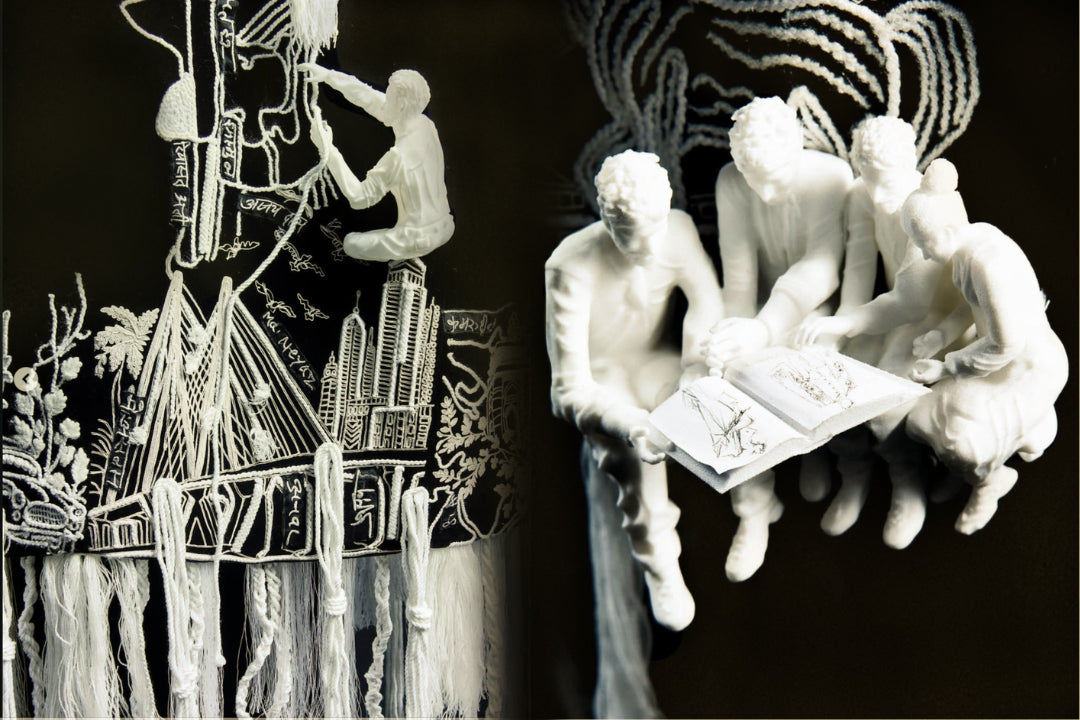
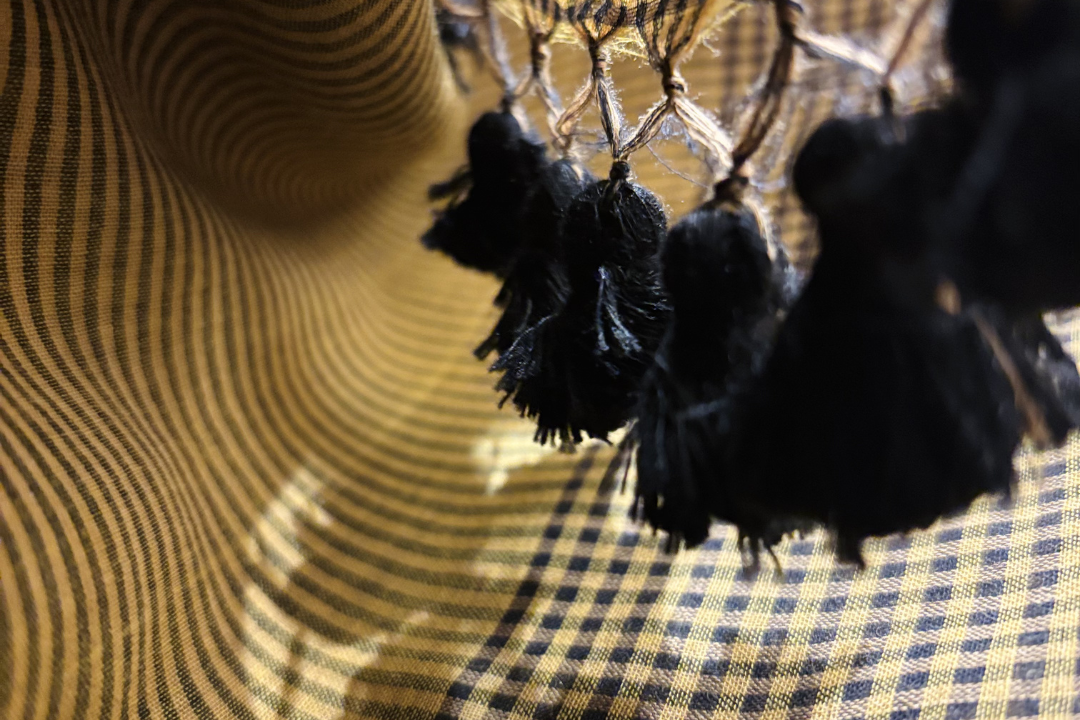
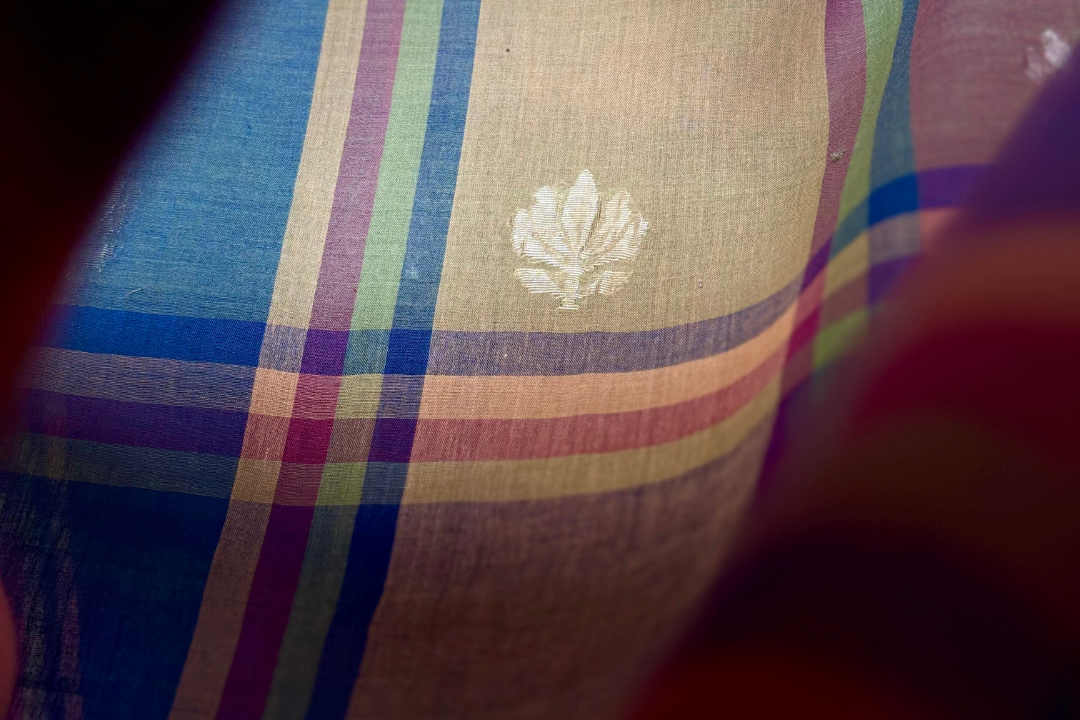
Another characteristic of Indian craft is that it blends art and functionality. A handwoven textile carries slight irregularities, a hand block print showcases the movement of the artisan’s hand, and it can take days or even weeks to complete an embroidered motif.
These details create individuality, and that’s what modern consumers are craving for.
Unlike factory-made fashion, handcrafted pieces feel personal. Handcrafted luxury fashion involves effort, time and emotional value, which are more commonly linked with luxury fashion today. From the Jamdani weaving to the Chanderi, Banarasi work, Kantha embroidery, and block printing, these traditional methods resonate with cultural significance and gracefully embrace modern silhouettes.
Sutra's philosophy is embodied in their breathable fabrics, their exquisite attention to craftsmanship, and in their clothing that is meant for everyday wear, not just special occasions.
Why Are Luxury Brands Choosing Indian Craftsmanship?
The shift toward Indian craftsmanship is not a coincidence, but it’s a part of the larger transformation that is happening within the fashion industry.
1. Consumers Want Authenticity
The increased transparency and process have made the craft techniques of India more valuable than ever. Today, luxury buyers are asking other questions, such as:
- Who created this garment?
- How was it created?
- Is it handcrafted?
- Does it have cultural depth?
2. Handcrafted Fashion Feels More Exclusive
True luxury is about handcrafted detailing; however, they bring about unmatched uniqueness naturally. No two handwoven pieces are identical and that is exactly what gives it character. This is why many luxury brands investing in Indian artisans are betting on craft and not tradition alone, as the future of elevated fashion.
3. Sustainability Is Changing Fashion Priorities
Fast fashion created speed, but there's a new slowness consumers are looking for.
Small-scale craftsmanship, such as handloom weaving, natural dyeing, and artisanal processes, is more aligned with sustainable fashion practices than large-scale industrial manufacturing, which has put Indian craftsmanship on the rise in the modern conversations of luxury.
4. Indian Techniques Offer Emotional Storytelling
Luxury fashion today is deeply attached to narrative. A garment becomes more meaningful when it conveys:
- Cultural history
- Regional identity
- Human craftsmanship
- Emotional connection
These are natural elements of Indian textiles.
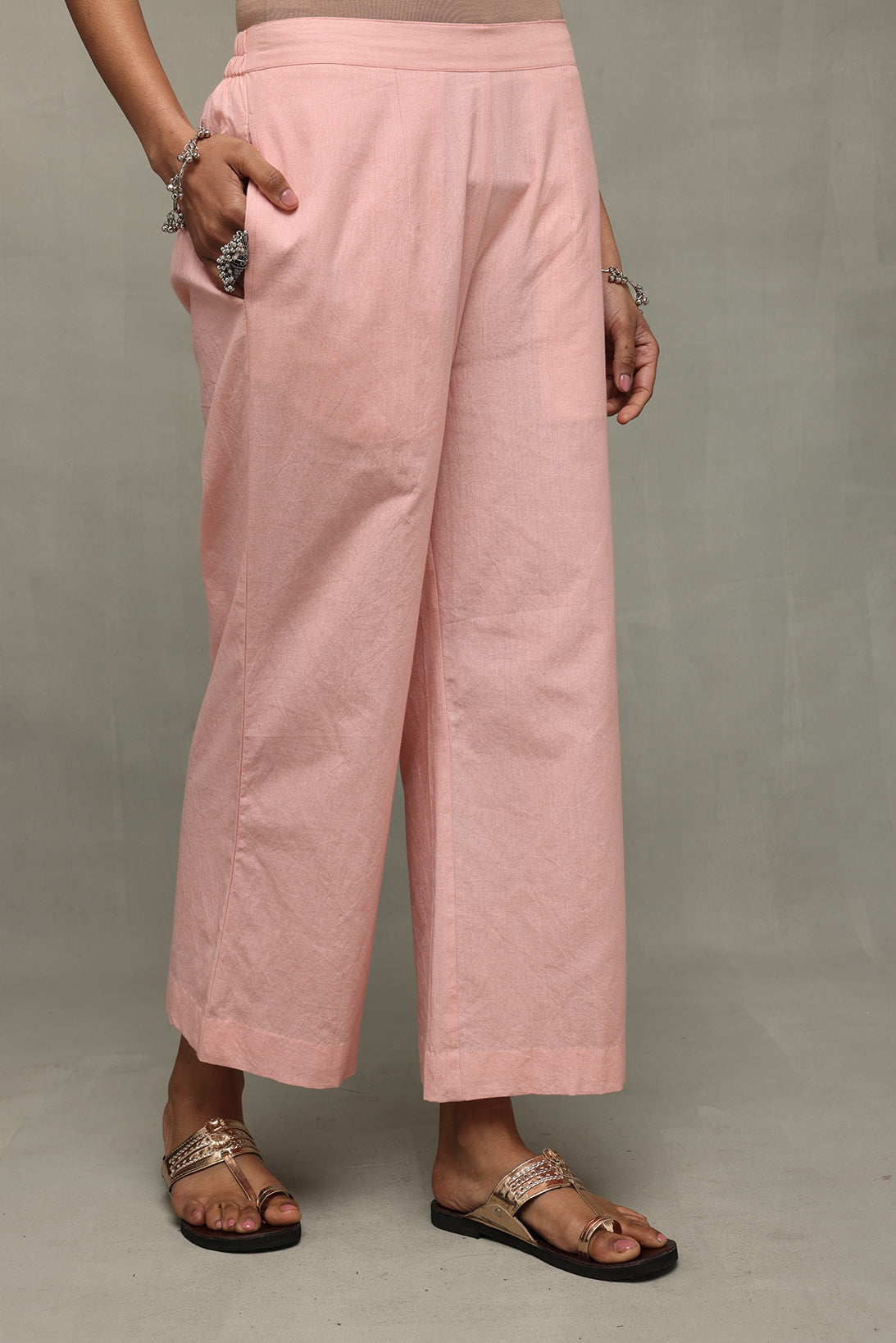
Shop The Look!
|
|
|
|
|
|
|
|
|
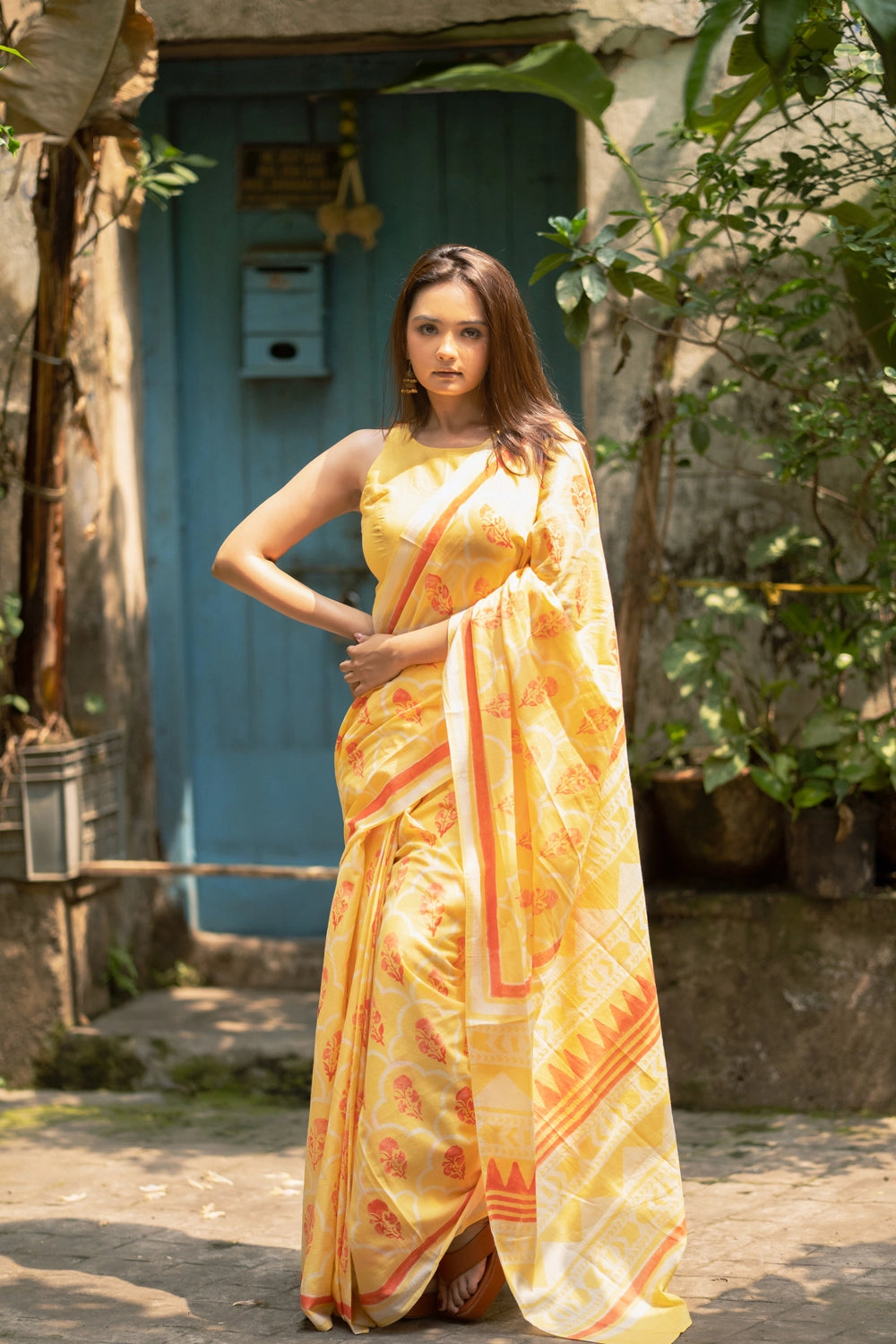

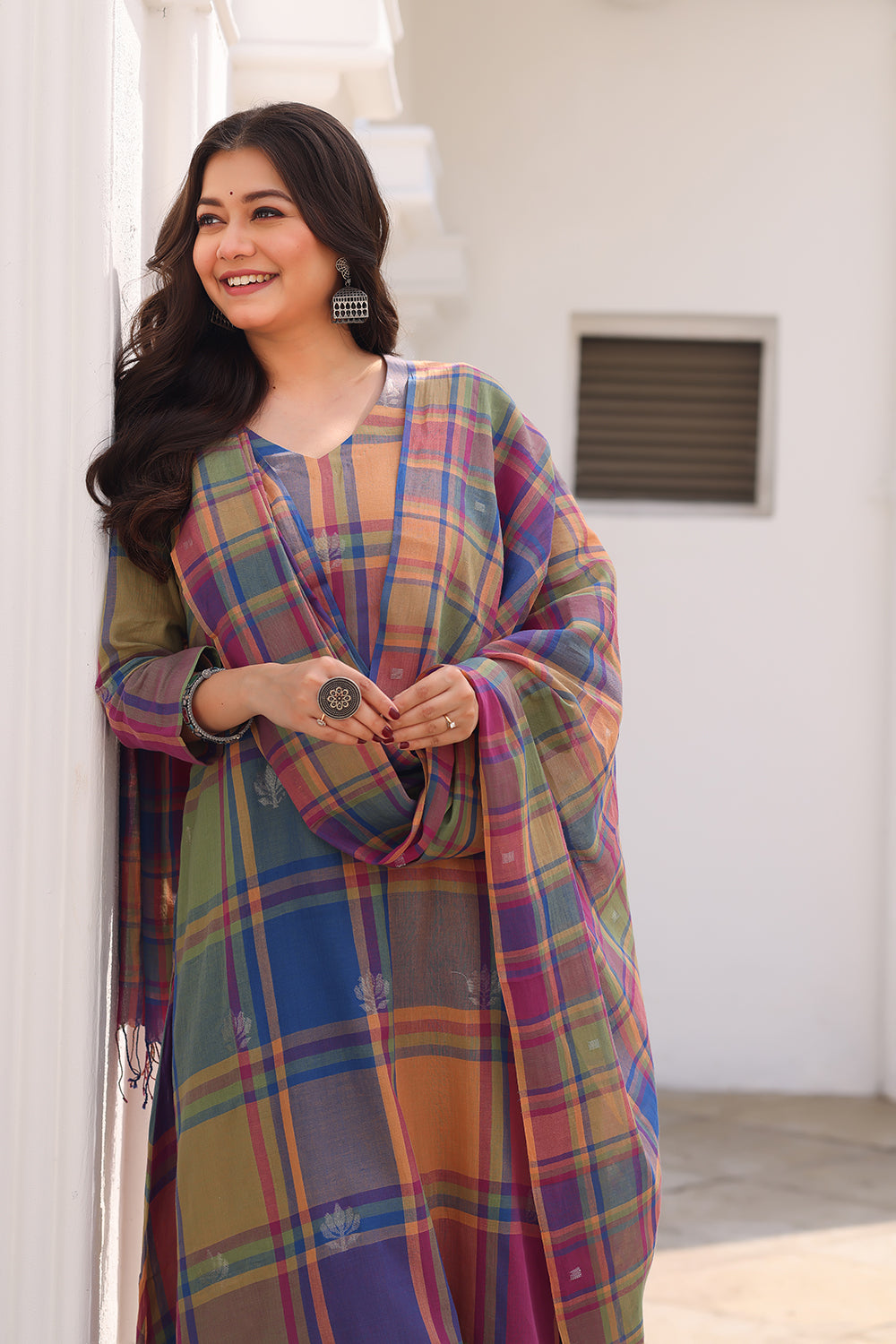
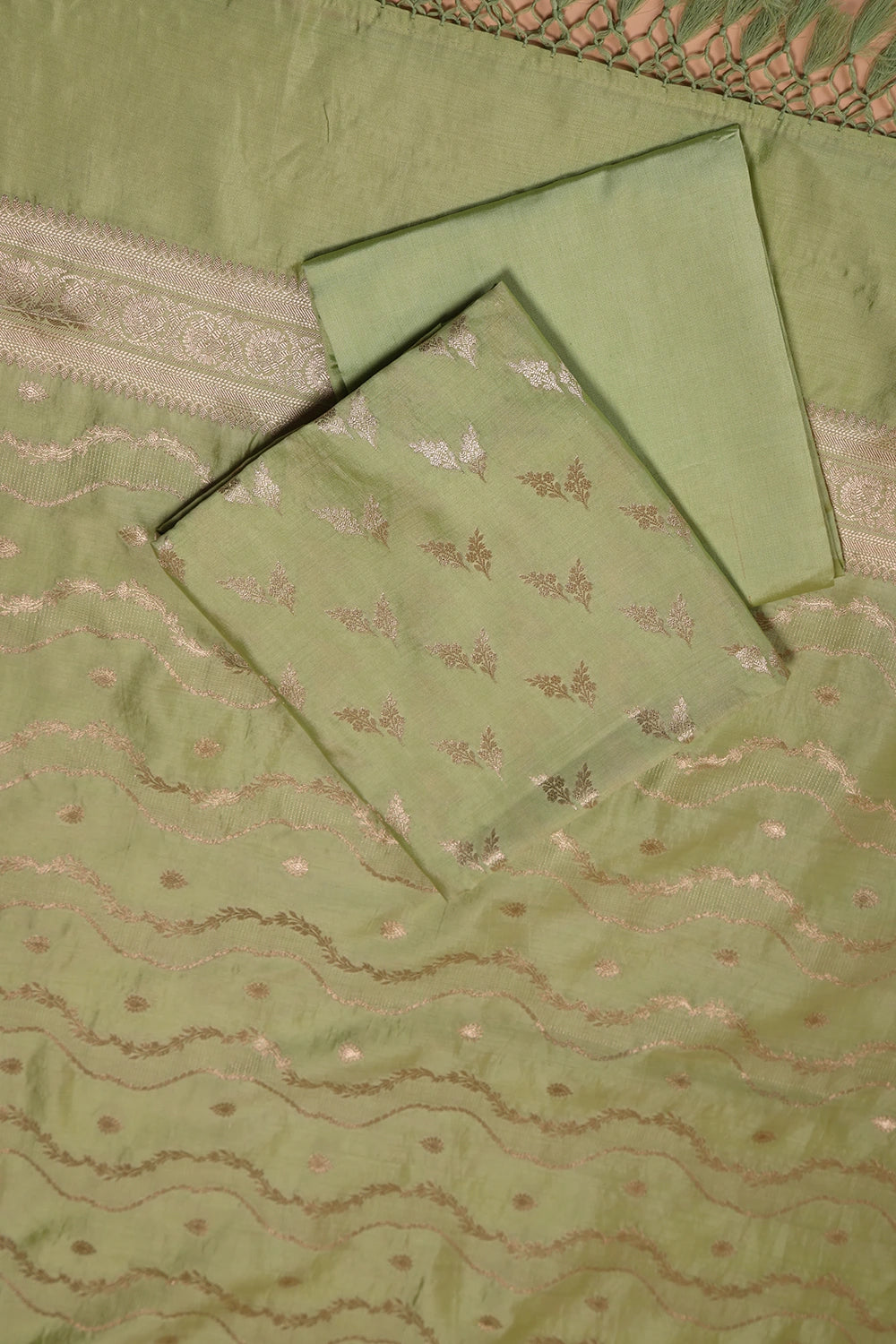
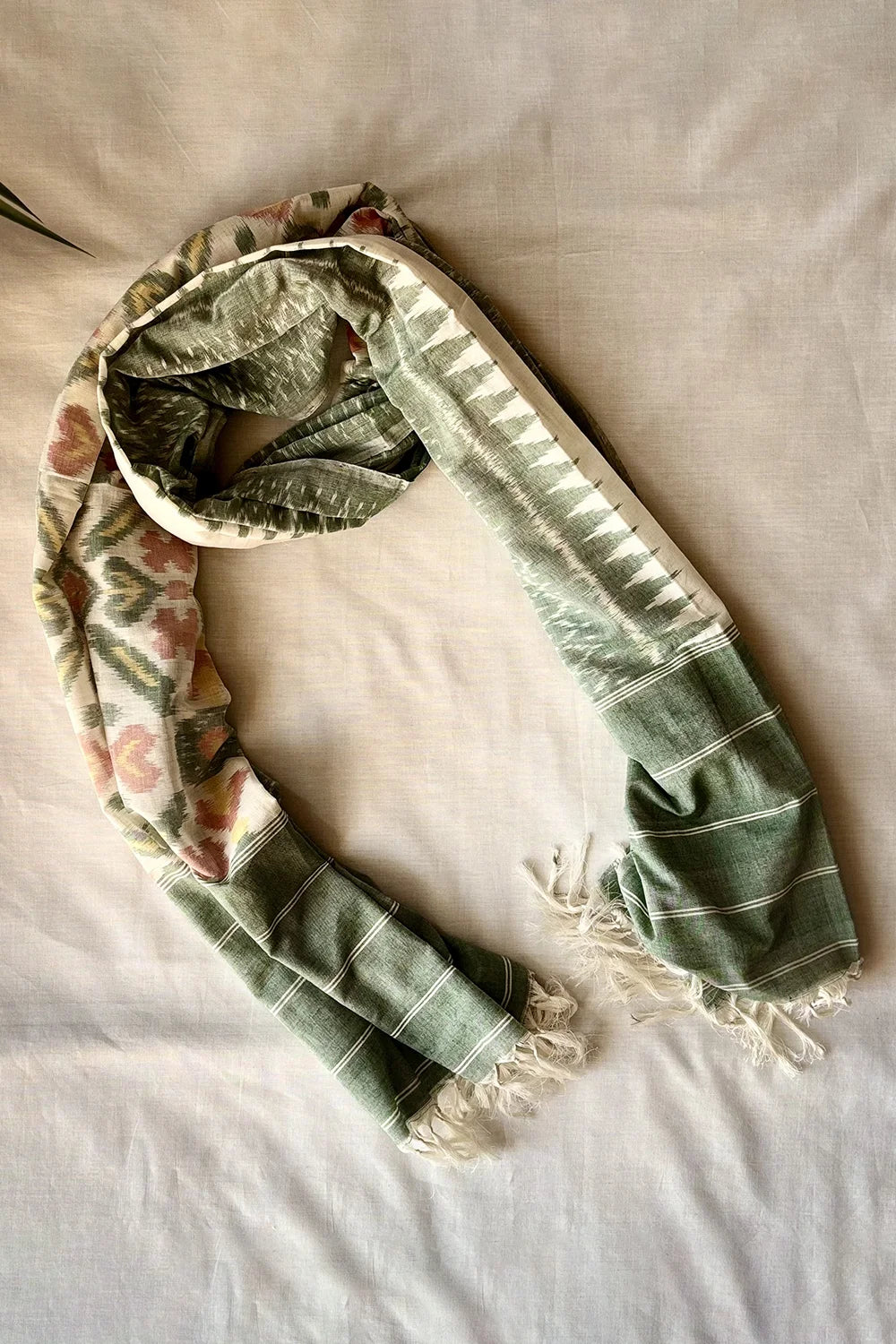
Indian Artisans Behind Global Luxury
The Indian artisans, despite being actively engaged in the couture production, have been invisible from the global fashion dialogue for years.
The Indian embroidery ateliers were looked at by many international fashion houses for:
- Ikat yarn dyeing
- Handloom weaving traditions
- Hand-painting and surface artistry
- Textile development and fabric innovation
Today, the Indian artisans are in the spotlight as they aren’t just creating designs but are also safeguarding techniques that demand exceptional skill and patience.
Each handcrafted piece involves:
- Multiple artisans
- Weeks of labour
- Generational knowledge
And over years, luxury consumers have come to appreciate the process itself rather than only the end product.
The Future of Indian Craftsmanship in Modern Fashion!
Indian craftsmanship has an important role to play in shaping the future of fashion.
We can already see:
- Unique and modern handloom textile
- Saree drapes reimagined in innovative ways.
- Blend of traditional embroidery and modern designs.
- Traditional crafts with minimalist, subtle fashion.
Young shoppers are now seeking clothing that is contemporary, comfortable, and meaningful. and not just trendy. This is the reason handwoven fabrics and artisan-led design labels are gaining popularity at the global level.
Each piece at Sutra beautifully captures this balance, where handloom is designed to be as practical as it is stunning. The breathable fabrics, thoughtful cuts, and the craftsmanship rooted in heritage techniques are all tailored to fit into today’s wardrobes.
Perhaps this is what luxury will look like in the future.
Conclusion
The global fashion industry is in a state of transformation. Luxury is no longer defined by exclusivity and visibility. Today it is characterised by craftsmanship, authenticity and emotional connection. Hence, the growing trend of luxury brands investing in Indian artisans.
There is something in the craftsmanship of India that the contemporary fashion world is yearning to have. From handloom weaving to intricate embroidery, textile artistry to block printing, Indian craftsmanship in fashion is a story, a sign of patience and a representation of Indian culture that is unparalleled.
The Indian craft techniques are not just on the fringe of luxury, but are central to it as consumers turn to slower fashion with more substance, and are after it.
FAQs
Why are luxury fashion brands investing in Indian craft techniques?
The craftsmanship, the level of detail, the stories behind the work and the artisan-led process are all aspects of Indian craft techniques that are sought after by luxury fashion brands.
Are Indian craft techniques considered sustainable in fashion?
Yes. The traditional Indian crafts, such as handloom weaving and block printing, use small-scale production methods that are much kinder to the environment.
Why is handcrafted luxury fashion becoming more popular?
Handcrafted luxury is making waves again as people crave uniqueness, authenticity, and emotional resonance, which are qualities that mass-produced items just can’t offer.
What are the reasons behind the increased popularity of handmade luxury clothes?
People are once again seeking out handcrafted luxury – a quality that mass produced items simply cannot provide – this is because people are seeking something unique, something real, and something that will give them emotional impact.
What makes Indian craftsmanship unique in global fashion?
Indian craftsmanship is a beautiful amalgamation of the traditional methods, regional textile traditions, intricate designs, and the skills of the artisans who pass down their skills through generations.
Are handloom garments considered luxury fashion today?
Yes! Handloom items are viewed as high-quality luxury fashion due to the skilled craftsmanship, time-consuming techniques, and limited production runs.
Why are younger consumers interested in artisan-made clothing?
Young people are concerned about sustainability, originality and practical buying. Artisan-made clothing has a more emotional and cultural touch than fast fashion.