
More Than Just a Price Tag: A Deep Dive into Why People Consider Handmade Goods
In a world where mass production and constantly evolving fashion trends are the dominant trends, the charm of handmade goods has retained a special place within the hearts of many consumers. For brands like Sutra Clothing, where human touch and purposeful creation are celebrated, knowing the reasons behind people's preference for handmade items is not just about economics as it reflects culture, emotion, and ethics that shape consumer behavior. In this article, we look into the deeper meaning behind these choices, the tension between fast fashion and handmade alternatives and how perceptions about price impact the purchasing choices.
What is the True Value of Craft?
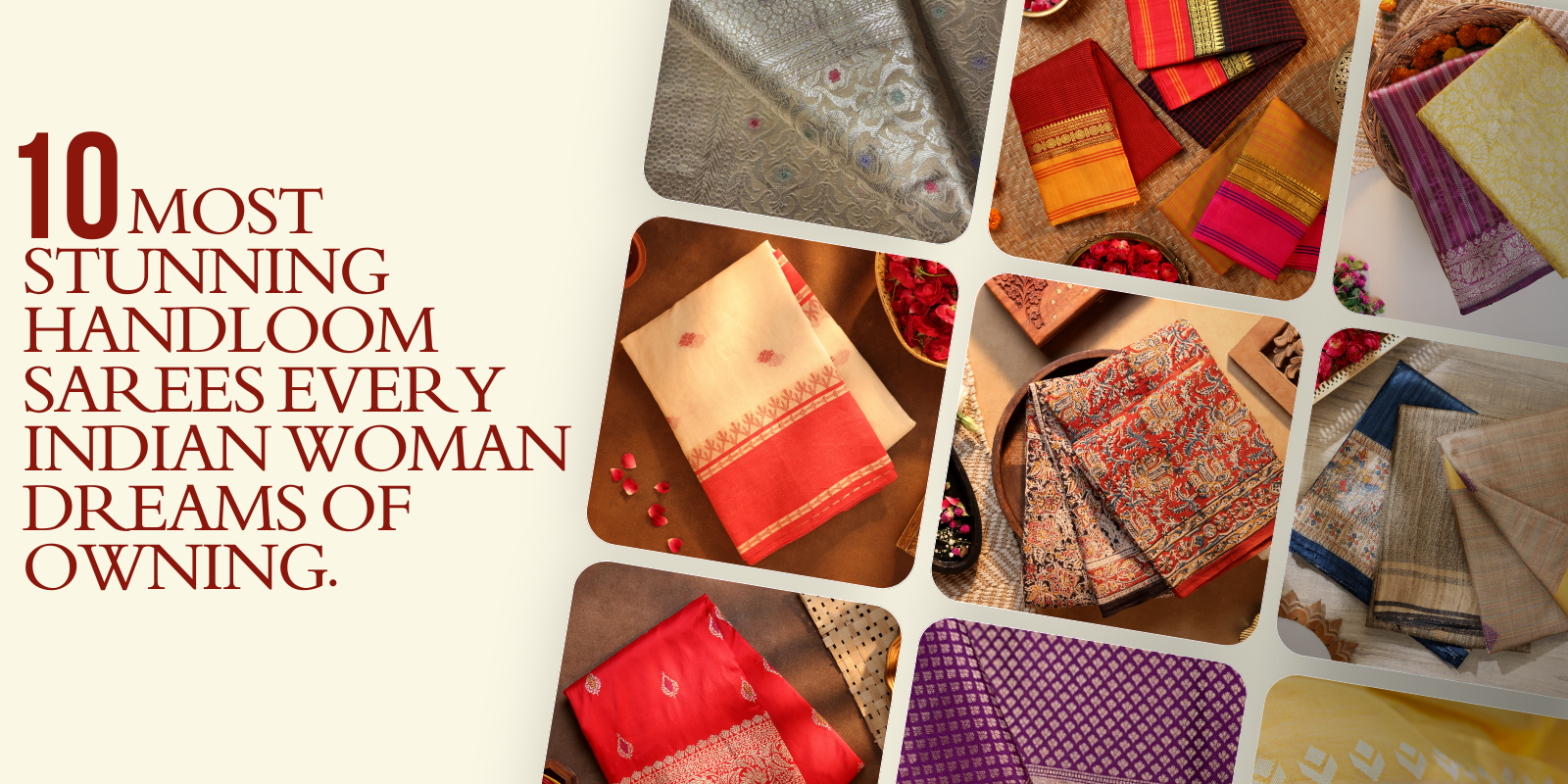
When people consider the value of handmade goods, they often begin considering quality - but the truth is that the value runs far deeper than durability or aesthetics. Handmade products are saturated with intentions. They are imbued with tales of every stitch, every texture and every detail. Unlike goods produced by an assembly line, every handmade item is the product of careful thought, and in most cases shaped by cultural heritage and personal expression.
To many consumers, handmade goods symbolize authenticity. In a marketplace full of identical products, the products representing individuality stand out. A handmade dress doesn't simply hang on someone's body, it conveys a story of tradition, inventiveness and the mind behind the design. This emotional connection is part of feeling personal identity and meaning. When someone wears a handmade garment, they're engaging themselves in a story that contains meaning in their values - be they rooted around sustainability, cultural heritage or just an artistic appreciation.
Another important aspect of value can also be seen in ethical considerations. Consumers are putting more thought on the labor condition, environmental influence, and social implication of their purchases. The production of handmade goods is usually incorporated into a small-scale enterprise where openness and social responsibility matter. Buyers feel reassured that their money goes to support real people and communities instead of nebulous corporate systems. This perceived moral value gives handmade items a superior status in the minds of conscientious consumers, and gives them meaning far beyond their price tags.
Why People Gravitate Toward Fast Fashion Over Handmade Goods
Despite the inherent attractiveness of handmade goods, fast fashion remains enormously popular with good reason. The appeal of cheap, easy, and trend-based clothes is great, especially in a culture that prizes novelty and changing one's wardrobe on a regular basis.
First and foremost, cost is a great factor. Fast fashion brands offer very low prices that make buying on a regular basis look financially feasible to a wide range of people. Many people, particularly younger shoppers, or people with limited disposable income, are struggling to justify spending more on handmade pieces, when the same or similar looking items can be found for a fraction of the price.
Convenience is another important factor. Fast fashion lives on ease of access - from physical storefronts to online platforms with their quick checkout process and fast delivery. In contrast, handmade goods may require more deliberate searching, longer lead times, or custom orders, which can deter impulse purchases.
Then there is the psychological factor of instant gratification. Fast fashion's business model is designed around fast-changing trends and relies on the consumer's urge to constantly keep up with the latest trend. Social media exaggerates this by establishing a pressure to appear good and relevant. Handmade things, many of which are made while keeping longevity and timeless appeal in mind, do not always cater to the moment-to-moment shift in priorities celebrated in digital spaces.
Additionally, many consumers simply lack knowledge about the advantages of handmade products. When pricing signals are the most powerful factors, people may not be able to understand the deeper value of intentional design and ethical production.
Keeping Up With Trends
In the contemporary digital environment trends are evolving rapidly. Today's trend might be yesterday's news tomorrow. This increased pace has changed the way people think about clothing and self expression. Fast fashion chains make a fortune from it by producing new lines of designs every week or sometimes every day to quench the thirst for novelty.
However, trend adoption doesn't always mean personal styling. There is an increasing tendency towards individual expression rather than mass conformity. Many consumers are starting to realize that dressing according to their own personality and values is far more satisfying in the long run than just going with the latest trends. Handmade goods, especially those which are produced by Sutra Clothing, align perfectly with this shift. They offer items that may move beyond seasonal whims and aid wearers in building wardrobes that are meaningful and reflect who they really are.
It has been said that it's unrealistic to expect everyone will give up trend culture. Trends are fun as they evoke creativity, engage community conversations and stimulate new ideas. The goal for many good consumers is balance. They also tend to select trend-based items and continue to invest in pieces that are timeless, handmade and the building blocks of their wardrobe.
The brands that succeed in this space can be summed as those who know how to find the balance between trendiness and enduring value. As an illustration, the application of modern design elements to handmade products may gain the interest of fashionable shoppers who will not miss the message behind the careful crafting. This will bring consumers closer to appreciate what is fashionable today and at the same time what will remain applicable tomorrow.
Why Consumers Feel Handmade Goods Are Too Expensive and Strategies to Change This Perception
Price perception is one of the greatest challenges in purchasing handmade products. A lot of consumers are reluctant due to the fact that the cost of these handmade goods is usually far higher than that of goods that are manufactured on a large scale. To alter this perception, we require to know the factor behind this price difference and establish the value in a more efficient manner.
Transparency About Production Realities
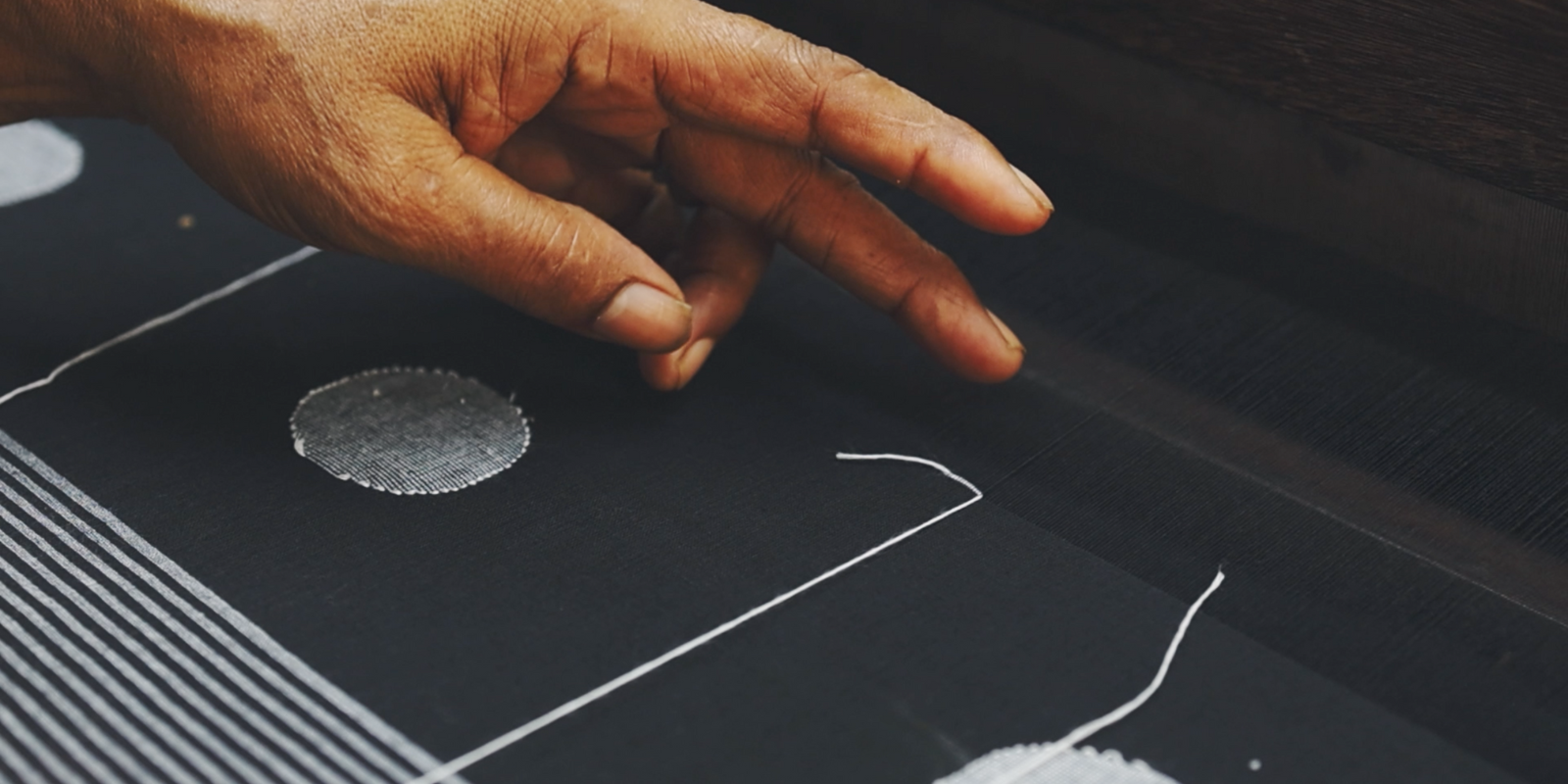
Handmade goods take time, skill and often rare materials. Artisans spend hours of time on each piece, so that every single item stays unique. Unlike any machine that can produce thousands of products within an hour, human hands and creative minds have their own pace. This investment of time and individual attention adds to the higher costs - but it also creates a superior experience and connection for the buyer.
Communicating these realities in a relatable manner can help consumers understand why prices reflect more than material costs. Stories describing the creative process, how it is being made, and profiles of makers can help humanize the products and make it worth the investment.
Highlighting Durability & Sustainability
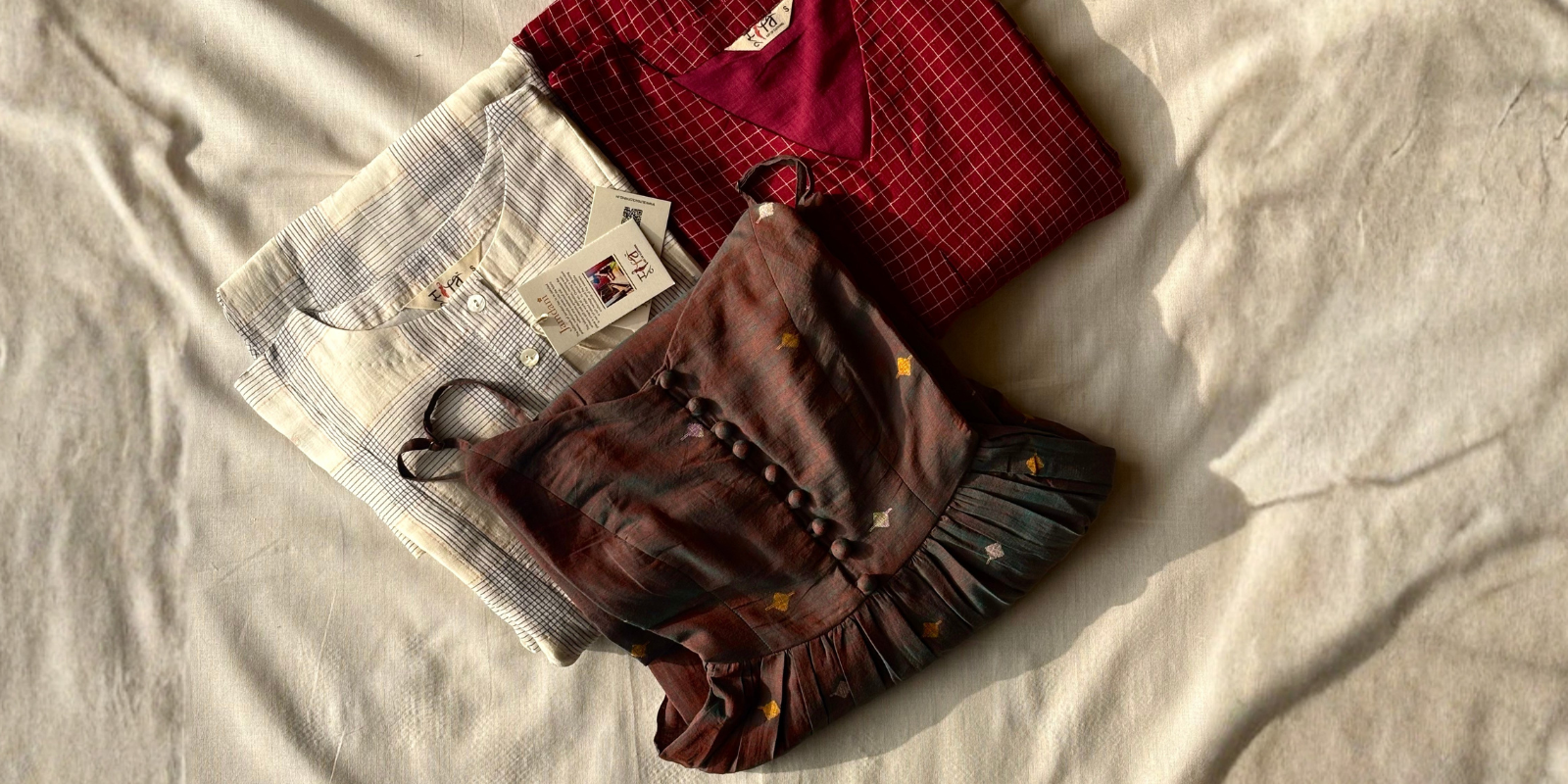
Consumers are less likely to think about long term value and more about the initial costs. Artisans are more likely to create products that are more durable, adaptable, and permanent as compared to their counterparts in the fast fashion industry. A well made garment from Sutra Clothing may cost more but it'll last for years which will help in saving your money over the long term.
Emphasis on cost per wear can change minds. When one falls in love with a garment and it becomes a favorite piece in their wardrobe season after season, it is then that one truly sees its true value. Sustainability-focused messaging further drives this point: choosing quality over quantity. is great for reducing waste and promoting conscious consumption.
Educating About the Social Impact
Most consumers will gladly pay a premium as long as they are convinced that their money is being used to support ethical activities. The homemade items tend to boost the local economy, ancient process and honest work. Making this connection explicit creates a more positive perception as consumers start seeking their spending as an investment in people and communities, not merely as another transaction.
Social impact statements, community partnerships, and transparent supply chain information help establish trust and make customers feel good about their choices.
Reframing “Expensive” as “Valuable”
Price is a number, value is a story. We can reframe the cost to worth discussion by reinterpreting the conversation around handcrafted products - in terms of individuality, deliberateness and experience. Marketing language should not use words that suggest sacrifice instead it must focus on the joy of ownership, emotional connections, and cultural associations of each piece.
Conclusion
The debate surrounding craft products and their relevance in a fast-fashion world is diverse and multidimensional. Whether it is emotional affiliation and moral principles or trendiness and price perceptions, the consumer is presented with an intricate array of choices each time he or she makes a purchase. Companies like Sutra Clothing are really contributing to this discussion because they are offering both alternative consumption to the products which is making people think about what kind of meaning lies behind what they wear rather than the products price tag.
In the end, even the price of handmade products is not defined by some objective mechanisms, it is defined by some subjective factors such as priorities, cultural processes, and narratives that we focus on. The discussion of these dimensions makes each of us consider his or her own idea of what is valuable and what is cool and draw their own conclusions on what is really important when shopping.