
Jamdani Through the Ages: Its Cultural Importance and Decline in Modern Times
Jamdani is not mere clothing but an archive of history, culture and artistic expression that has been passed down through generations. For centuries Jamdani was famous for its intricated motifs, airy texture and poetic symbolism giving it a respectable position in the Indian market. At Sutra Clothing, the fascination with Jamdani lies not just in its visual elegance, but in the layered stories woven into every thread. This blog examines the origin of Jamdani; its golden age and the forces that led to its decline and what the future may hold for this amazing textile tradition.
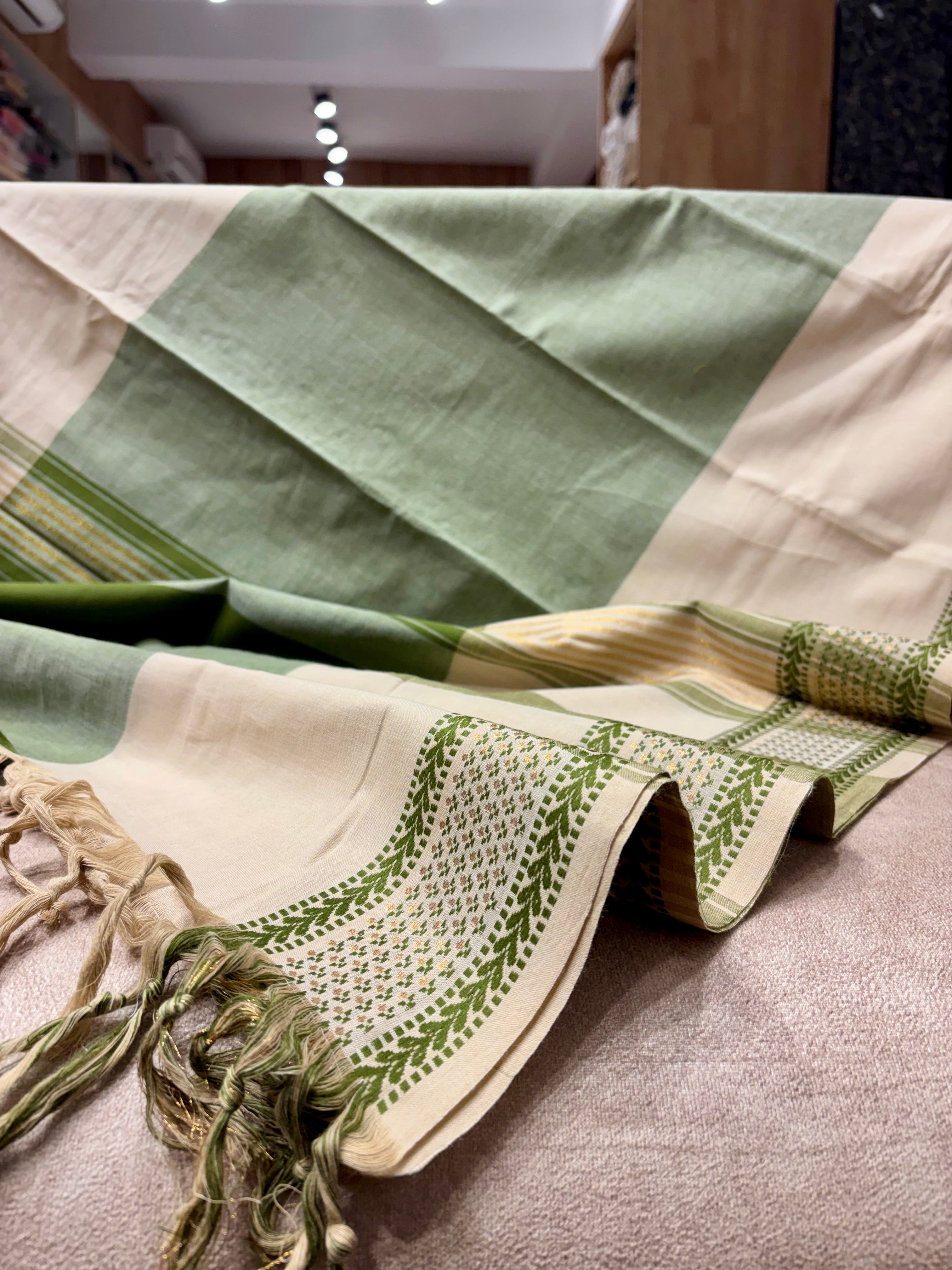
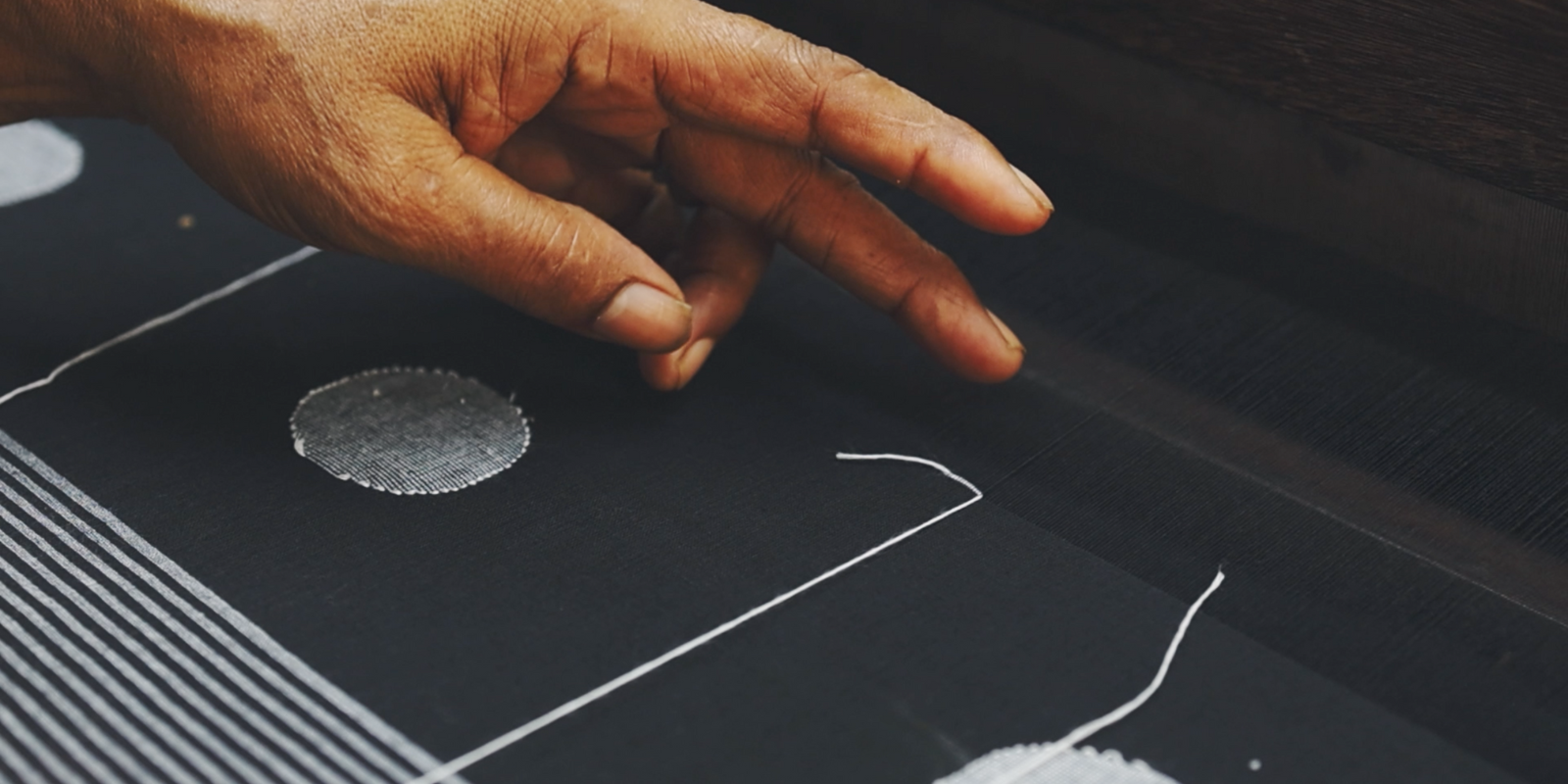
The origins of Jamdani can be traced back to more than two millennia and primarily in the region of Bengal, which includes the present states of West Bengal and Bangladesh. Early references to fine muslin fabrics can be found in ancient texts, traveler's accounts and in royal records, all pointing towards Bengal as a thriving center of textile excellence. As a result, jamdani was developed as a highly sought form of muslin that was celebrated for its lightweight weave and ornate patterns created on the loom itself.
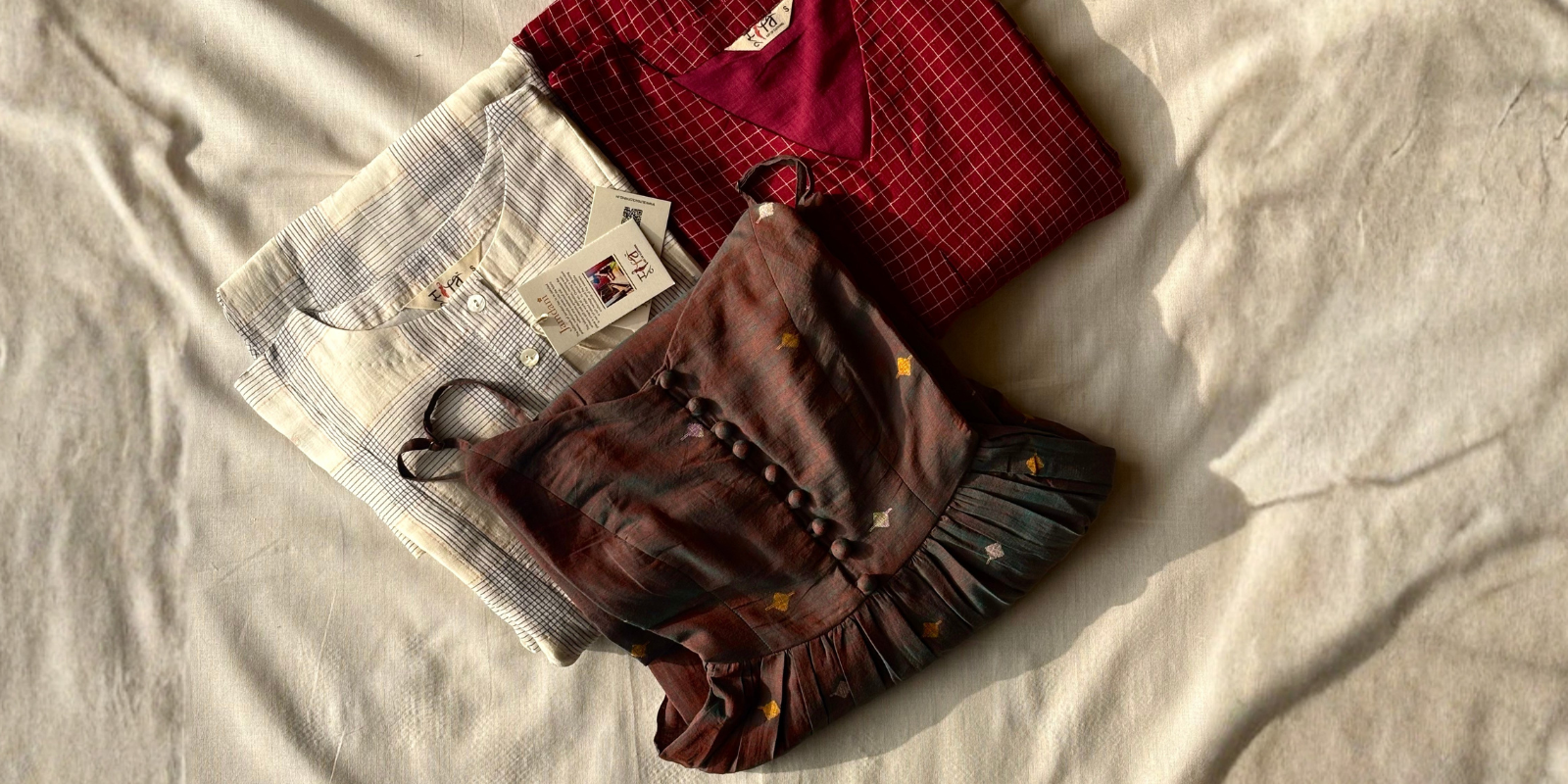
Culturally, Jamdani was a lot more than cosmetic apparel. It played an important role in social identity, religious practices, and regional pride. Certain motifs had symbolic meanings based on nature - flowers, vines and geometric shapes - which reflected the environment of the Ganges delta. Colors, too, held significance. A red jamdani saree often symbolized celebration and marital rituals, while softer hues were associated with spirituality and daily life.
The importance of Jamdani also lay in its community-driven production. Entire families and neighborhoods were involved in maintaining this tradition, by passing down methods and design philosophies through verbal learning. Over time Jamdani got deeply embedded in Bengal's culture progressing with the region's history, yet maintaining its own identity.
The real zenith of Jamdani was in the Mughal period when royal patronage has made the cloth famous and legendary. Mughal emperors and nobility loved Jamdani for its fine chromium and elegant looks, often commissioning in their styles that were unavailable for the common people. These textiles are mainly available in the royal wardrobes, court ceremonies and diplomatic gifts that were exchanged from region to region.
During this era, Jamdani reached tremendous artistic heights. The complexity of designs grew and variations like floral buttis, paisleys and trellis patterns became more refined. The worldwide accolade of bengal jamdani increased as European traders were astonished as the materials were so fine that they were described as 'woven air'. Jamdani sarees were exported far from India to Persia, Southeast Asia and Europe, representing fine living and cultural sophistication.
Color experimentation also bloomed. Combinations such as the jamdani saree red and white became iconic; a combination of vibrancy with elegance. Jamdani was not limited to sarees only; historical records suggest that it was adapted into robes, scarves and later, garments that looked something like what we now recognize as a jamdani dress thus displaying its versatility even in the old days.
This era represented the peak of Jamdani’s cultural and economical influence, when artistic value and social prestige were closely intertwined.
The decline of Jamdani started slowly but gained momentum with the introduction of colonial rule. British economic policies strongly favored textiles produced by European industries flooding the Indian markets with cheap, machine-produced textiles. Traditional handwoven textiles could not compete in terms of cost and time, although they can offer aesthetic and cultural superiority.
As the styles of Western clothing became popular, the indigenous clothes were often found outdated. Jamdani, which took a lot of time and skill, suffered as the demand remained low. Many weaving communities had to restore their old professions in search of alternate livelihoods. The complex knowledge systems which supported Jamdani began to break apart under economic pressure.
Changing lifestyles were also a factor. Urbanization and fast fashion changed the consumer taste, appreciating convenience over heritage. Even colorful designs such as the yellow jamdani saree, popular during festive periods, were starting to lose against synthetic fabrics produced on mass scales. The change was not only economic but psychological, as the colonial narrative was subtly degrading traditional Indian textiles to favor the Western norms.
By the mid-20th century, Jamdani had moved from being a clothing staple for the masses to being a relic of textile fashion admired mainly by historians, collectors and a few conscious consumers.
Despite the decline, Jamdani has never actually died. In recent decades, a miraculous re-surging interest in sustainable fashion, slow clothing and cultural authenticity have paved the way for its revival. One of the most important steps lies in storytelling - educating consumers about Jamdani's history, symbolism and cultural depth.
Design innovation also plays an important role. Contemporary stimulations of using Jamdani in contemporary silhouettes, fusion wear and casual wear can also aid in bridging the gap between tradition and the current ways of living. When well thought out, Jamdani can be both timeless and relevant.
Brands such as Sutra Clothing have an opportunity to be cultural custodians by highlighting ethical sourcing, fair representation, and design narratives, by curbing tradition and merging it with innovation. Digital platforms, exhibitions, and collaborations with designers and researchers can further enlarge the reach of Jamdani to the global audience.
Policy support and institutional support are also critical. Training programs, documentation initiatives, and financial incentives can encourage younger generations to engage with Jamdani, ensuring continuity without forcing conformity to outdated models. Revival after all does not mean returning to the past unchanged, but allowing tradition to evolve organically within modern contexts.
Jamdani's journey through history has reflected larger movements in culture, economy and identity in a way that poses interesting questions about what societies deem worth preserving and what societies deem worth discarding, whether or not Jamdani's future spans museums, luxury wardrobes and everyday fashion but more importantly, this discourse leaves us open for interpretation that inspires us to explore further, looking at different perspectives and making our own interpretation, how this storied textile continues or changes the future years to come.