How to Identify Genuine Handloom Fabric Before Buying
Handloom is one of the oldest and most famous textile heritages of India. Each woven fabric is the skill, patience and creativity of the artisans who have practised their craft for years. Whether it's a simple yet chic saree, a dupatta, or an Indian Handloom Dress, each of these fabrics is a story in itself, reflecting centuries of tradition, skill, and artistry.
With the ever-increasing demand for handcrafted fashion comes the ever-increasing imitation of handmade fashion by machines. So, as the demand for handcrafted fashion has grown, so has the imitation of handcrafted fashion from machines, which is closer to handcrafted fashion than ever before. It is becoming significant for shoppers to know how to spot Indian products that are actually handwoven. If you are purchasing a saree, kurta, dupatta or dress online, handloom and handmade saree fabrics will help you invest in value and aid the artisans of India.
This guide aims to help readers learn what to look for in authentic handloom fabrics, the value of these fabrics and how to make informed choices when buying these fabrics.
Why It Is Important to Buy Genuine Handloom Fabric
Buying authentic handloom is about far more than owning beautiful clothing. Every purchase helps in supporting thousands of artisan families who make a living out of this craft and helps in preserving India's centuries-old weaving traditions.
Handloom textiles are woven slowly and carefully, with each piece having a character. The end product is unique, breathable, and durable clothing.
Purchasing authentic handloom also benefits:
- Rural artisan communities
- Slow fashion sustainable choices
- Traditional weaving techniques
- Small-scale craftsmanship
- Ethical textile production
Investing in genuine handloom is a step towards safeguarding India's rich textile legacy for future generations.
What Is Handloom Fabric?
Handloom fabric is produced by a traditional loom, with skilled artisans wielding the loom by hand without automated machinery.
The thread is hand-interlaced, and the fabrics have distinctive textures, elegant drapes and subtle variations that can't be reproduced by machines.
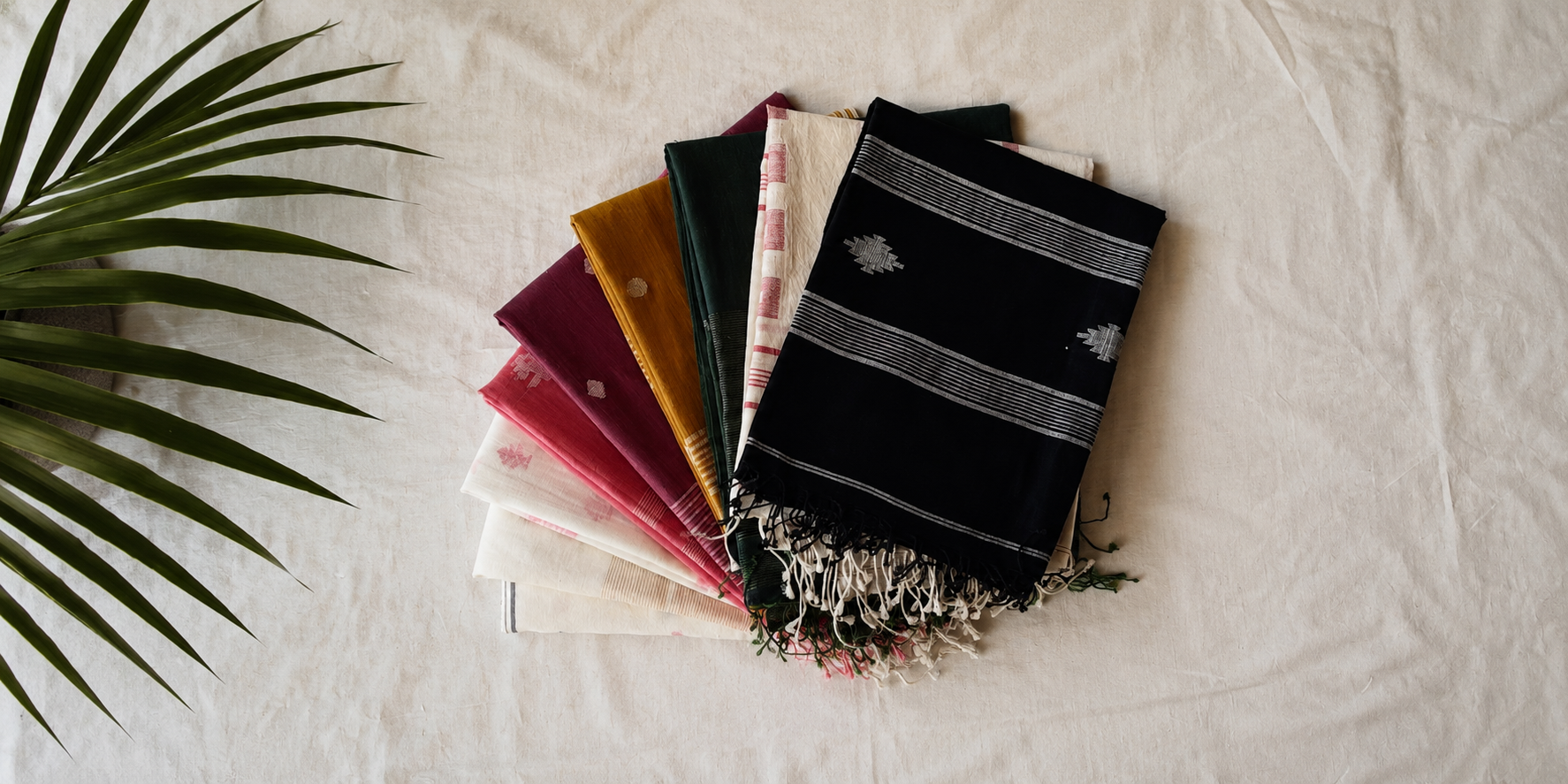
Today, traditional handloom fabrics are available in many forms and can be used to weave sarees, dupattas, kurtas, home textiles, and Indian Handloom Dresses. Cotton, silk, linen, mulmul, and blends of comfort and artisan workmanship are the most popular handloom fibres.
Each piece is woven separately, and no handloom fabric is ever exactly the same—which makes them so special.
7 Simple Ways to Identify Genuine Handloom Fabric Before Buying
Knowing what to look for can make shopping much easier.
1. Look for Natural Variations
Slight irregularities in the weave is one of the best ways to recognise an authentic handloom.
Handmade fabrics will have very small differences in the amount of thread spacing, texture, or motifs, while machine-made fabrics look completely uniform. These are characteristics of quality craftsmanship and not defects.
2. Feel the Fabric
The handloom clothes are comfortable, breathable and soft on the skin.
Handwoven fabrics typically will soften with each wash and maintain their strength, as opposed to synthetic fabrics, which can feel stiff or too smooth after washing.
3. Observe the Weave Closely
Look carefully at both sides of the fabric.
The handloom fabrics usually show the weaving variations as each thread is woven by hand. Machine-made fabrics, on the other hand, have very uniform fabrics all over.
4. Read Product Descriptions Carefully
The best way to know how to identify Indian products is through product information.
Reliable brands generally provide details about:
- Weaving techniques
- Artisan craftsmanship
- Fabric composition
- Region of origin
- Care instructions
A good way to judge authenticity is to see if they are transparent.
5. Purchase from Trusted Brands
The best way to ensure that you get hand looms is to purchase from brands that specialise in handcrafted textiles. You can maximise your odds of getting hand looms by purchasing from brands that specialise in handcrafted textiles. Look for businesses that celebrate artisans, explain their weaving processes, and curate collections centred around traditional Indian textiles.
6. Appreciate Handmade Imperfections
If the motifs are identical, chances are they were produced by a machine.
Due to the handloom process, there may be some variances in the borders, designs or density of weaving.
These minor variations give each garment their character and personality.
7. Learn About Regional Weaving Traditions
Styles of weaving are different all around India.
By understanding these traditions, you will be able to appreciate the craftsmanship that goes into traditional handloom products more deeply and make more informed decisions when buying them.
Common Myths About Handloom Fabric
Honestly, there are several myths about handloom textiles that confuse the buyers.
Myth 1: Every Handmade Fabric Is Handloom
Not all handmade fabrics are handloomed.
Hand embroidery, stitching or dyeing are common processes used in many garments; the fabric itself is not considered handloom unless it is woven on a hand-operated loom.
Myth 2: Handloom Fabrics Always Have Defects
There is a difference between natural irregularities and flaws.
In fact, minor differences in weaving show that it was woven by skilled artisans.
Myth 3: Handloom Is Only for Festivals
Modern handloom clothes are incredibly versatile.
The kurtas, lightweight sarees, office-ready dresses, elegant co-ord sets, and Indian Handloom Dresses are all available for everyday use.
Myth 4: Handloom Is Too Expensive
Premium weaves are made with great skill, but many affordable handlooms are also available.
Though they might cost more than fast fashion items, handloom clothes can be a more valuable investment in the long run due to their durability, comfort, and enduring beauty.
Handloom vs Handcrafted vs Powerloom: What's the Difference?
These terms are often used interchangeably, but they represent different textile processes.
|
Feature |
Handloom |
Handcrafted |
Powerloom |
|
Production |
Woven manually |
Handmade finishing or embellishment |
Machine woven |
|
Texture |
Natural variations |
Depends on technique |
Highly uniform |
|
Craftsmanship |
Traditional weaving |
Manual detailing |
Industrial production |
|
Sustainability |
Excellent |
High |
Lower |
|
Supports artisans |
✔ |
✔ |
Limited |
While every handloom fabric is handcrafted, not every handcrafted textile is handloom.
Understanding this distinction makes it easier to identify authentic products.
Government Certifications to Look For
If you are uncertain about authenticity, acknowledged certificates might provide further reassurance.
Handloom Mark
Handloom Mark is a certification indicating the fabric has been woven on a handloom.
It lets buyers identify between genuine handloom products and machine-made products and sustains India’s weaving community.
GI (Geographical Indication) Tags
Several Indian textiles have been granted Geographical Indication (GI) protection for their unique regional heritage.
Examples include:
- Banarasi Silk
- Chanderi
- Jamdani
- Kanchipuram Silk
- Bhagalpuri Silk
- Pochampally Ikat
- Kota Doria
Purchasing products from renowned firms that are influenced by these traditions helps to preserve regional workmanship and to guarantee quality.
Popular Traditional Handloom Fabrics in India
India boasts a very rich and diversified textile past, with every region adding its own specific weaving tradition.
Jamdani

Jamdani, one of India’s most famous weaving techniques, is known for its beautiful weaved designs. Light weight composition and artistic design makes it suitable for sarees, dupattas and modern Indian Handloom Dresses.
Chanderi
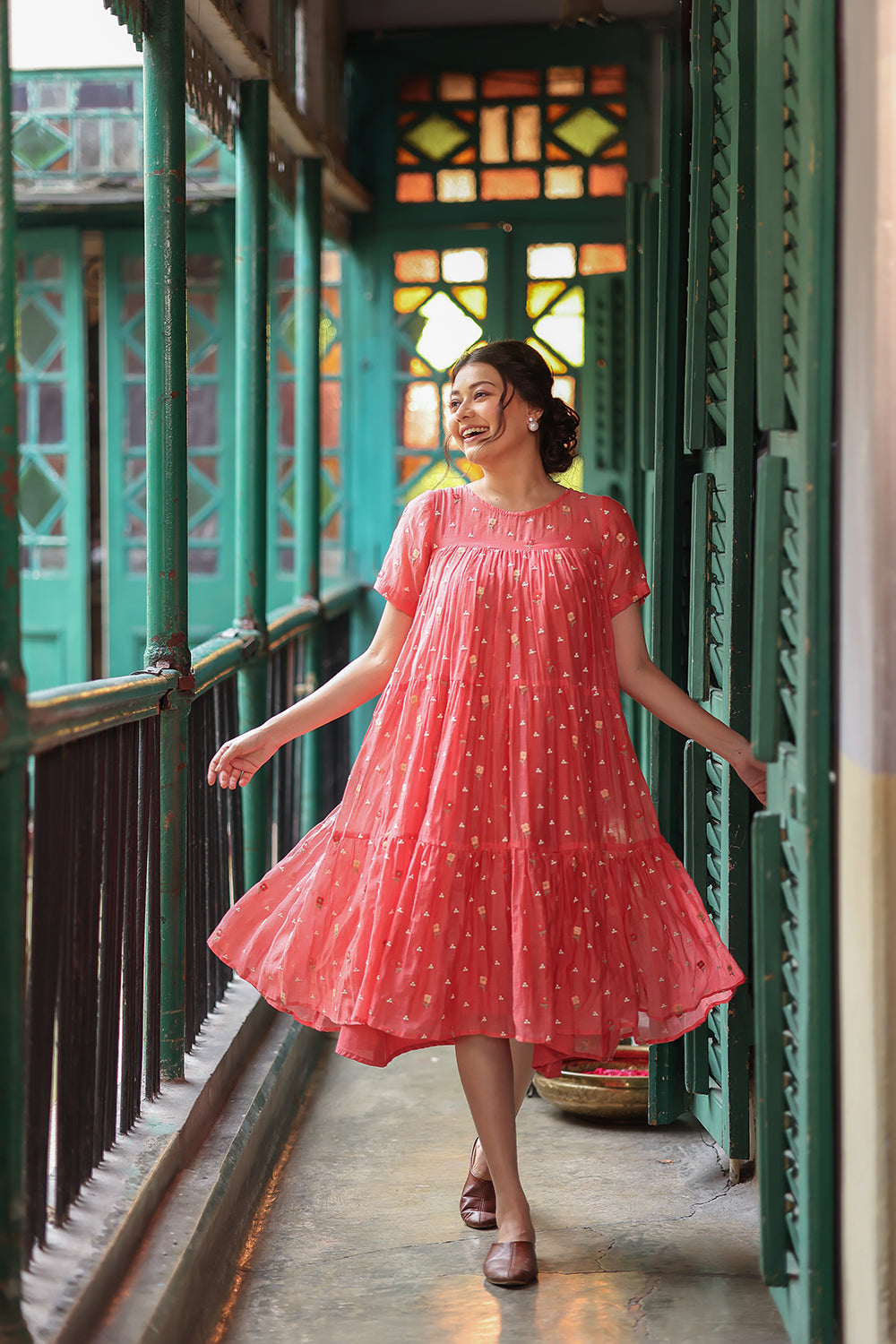
Chanderi is known for its translucent texture and beautiful gloss and is the right combination of refinement and comfort. It is widely loved for festive wear and elegant everyday wearing.
Banarasi
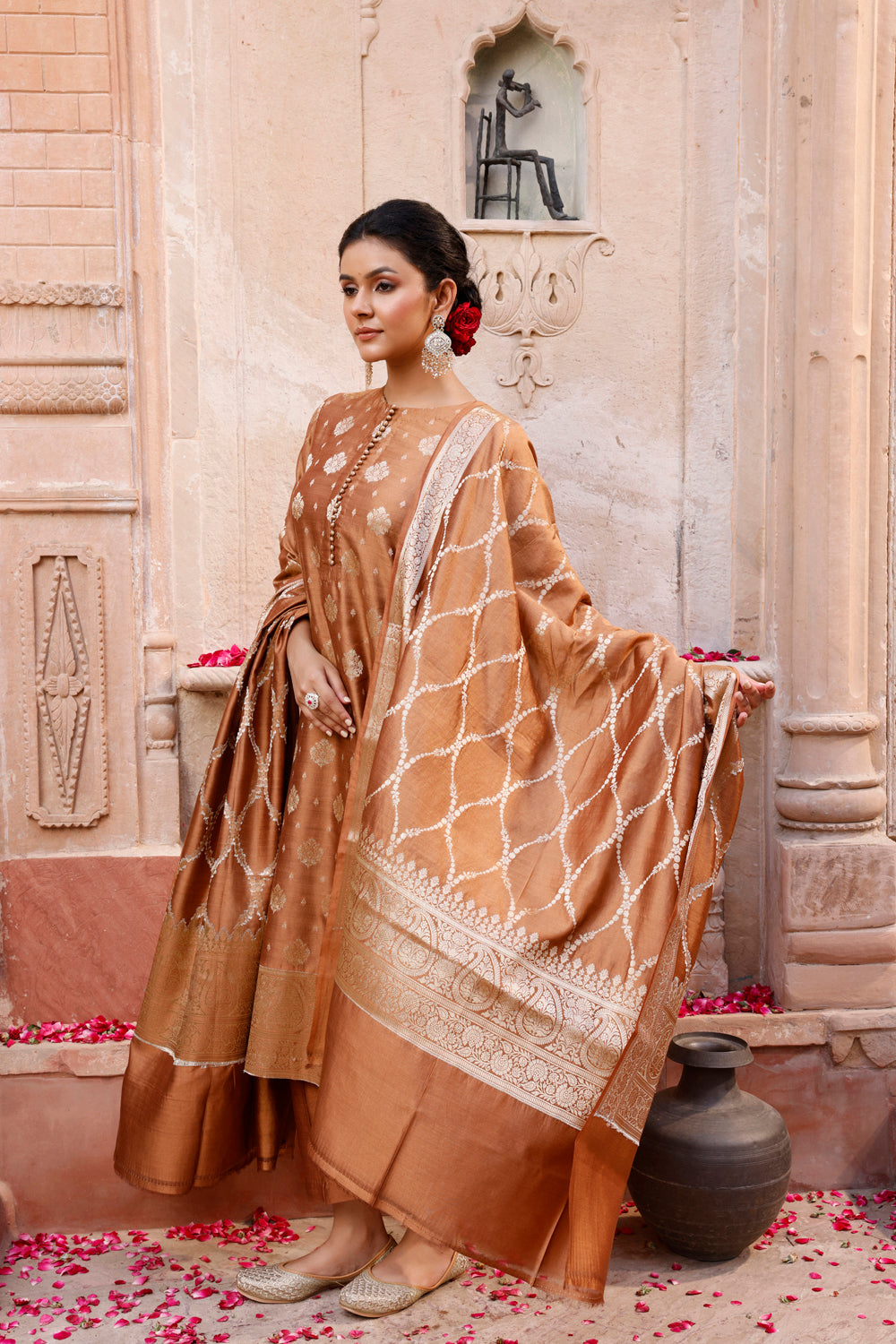
Banarasi textiles are revered for their sumptuous silk, complex zari work and rich cultural legacy. These evergreen weaves remain a staple for weddings and festivities.
Mulmul
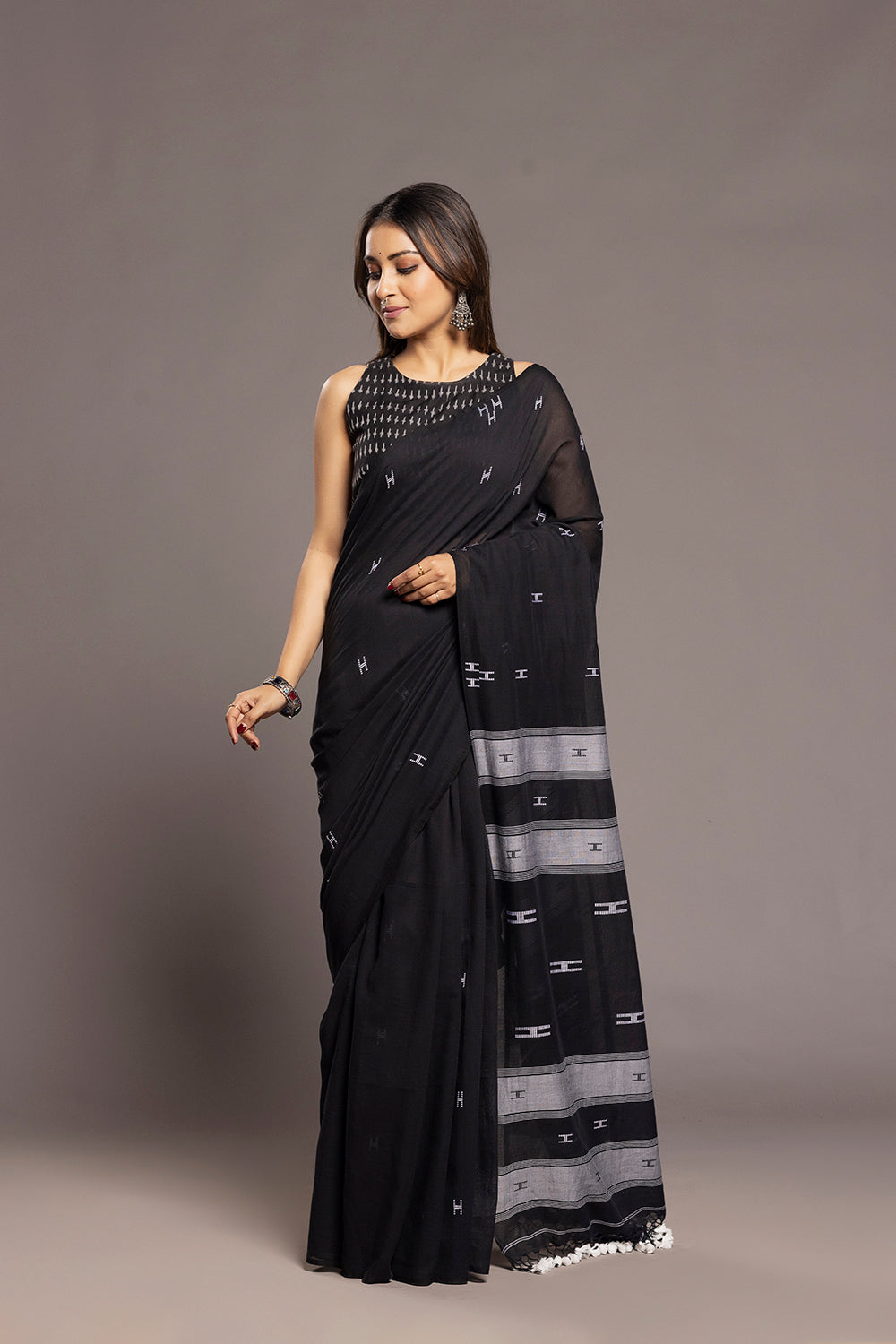
Mulmul is one of the most pleasant materials to wear every day. It’s soft, lightweight and breathable. It’s really lightweight and therefore perfect for summer wardrobes.
Linen Handloom

Handloom linen fabrics are a delight, crisp in texture and highly breathable. They are suitable for office wear and modern ethnic design thanks to their subtle elegance.
Bengal Handloom

Bengal’s weaving traditions are recognised for their excellent cotton materials that are soft, durable and elegant.
Bhagalpuri Silk
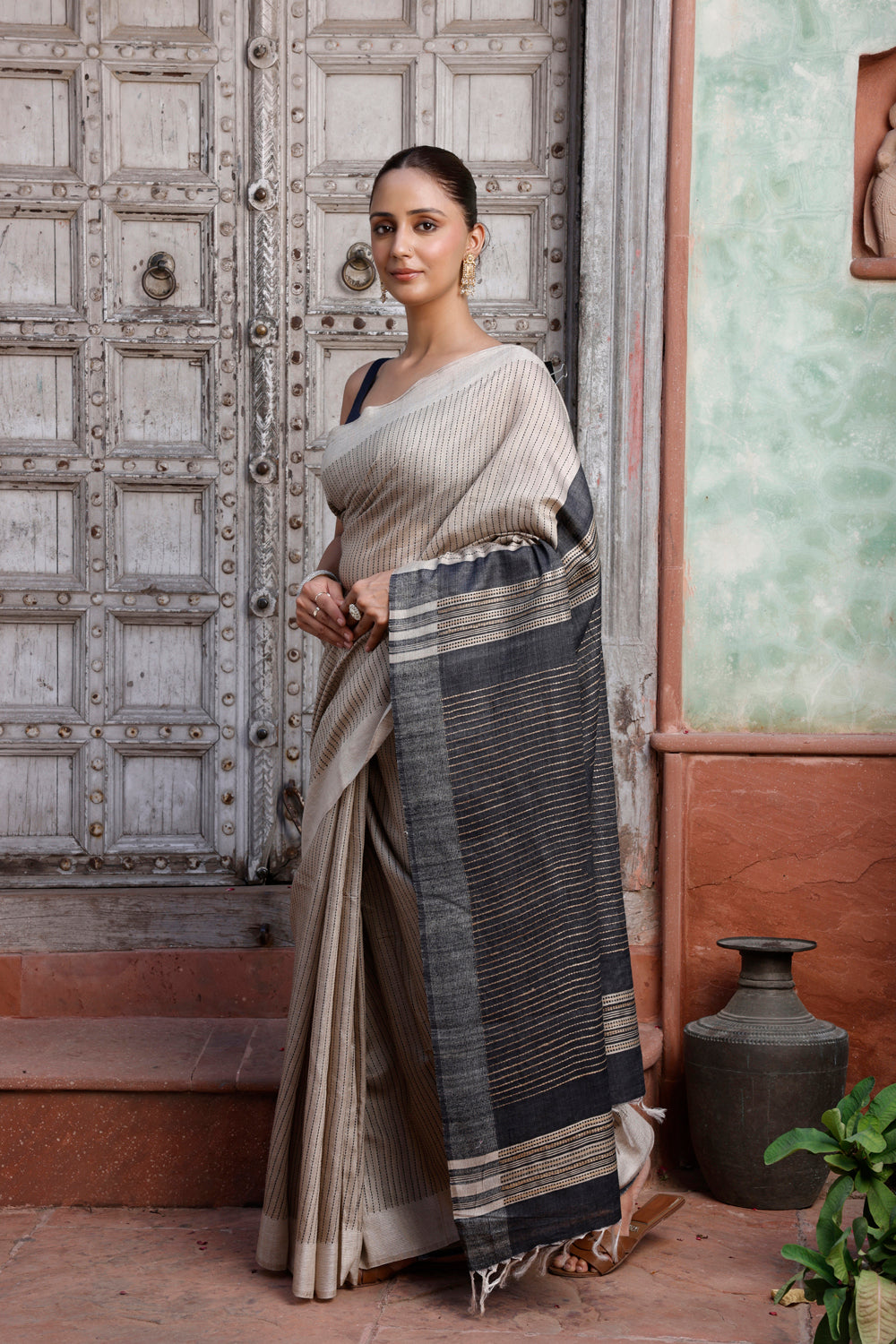
Bhagalpuri Silk originates from Bihar and is known for its natural texture, elegant fall and universal appeal.
Why Handloom Is a Sustainable Fashion Choice
Choosing handloom also means choosing sustainability.
Handloom weaving consumes far less electricity and has a much smaller environmental imprint than industrial textile manufacture.
Handloom also encourages:
- Slow fashion
- Less waste.
- Natural fibers
- Produced ethically
- Artisan livelihoods
When you buy handloom garments, you support eco-friendly design and celebrate traditional workmanship.
How to Care for Traditional Handloom Clothing
Handcrafted textiles deserve thoughtful care.
To keep your favourite traditional handloom garments looking beautiful:
- Follow the garment's care label.
- Use mild detergents.
- Dry delicate fabrics in the shade.
- Avoid harsh chemicals or bleach.
- Iron at the recommended temperature.
- Store garments folded in a cool, dry place.
Proper care preserves both the fabric and the intricate weaving.
Why Authentic Handloom Is an Investment, Not an Expense
An authentic handloom garment could take days—or even weeks—to finish.
Every thread represents years of artisan experience, patience, and craftsmanship that cannot be duplicated by machines.
When you invest in authentic handlooms, you choose:
- Excellent quality
- Long-term durability
- Timeless craftsmanship.
- Comfortable natural fibers
- Sustainable fashion
- Support for artisan communities.
Whether you're looking for sarees, dupattas, or Indian Handloom Dresses, real handloom provides value that goes beyond trends.
Why Choosing Handloom Helps Preserve India's Textile Heritage
Indias weaving traditions have been around, for a long time. This is because the artisans who make these things are still doing what they do best. They keep making things. They teach other people how to do it too.
When you buy clothes that are made on a handloom you are helping to keep these traditions alive. You are also encouraging people to learn how to make these things.
Every time you buy something that is made on a handloom you are helping people who live in areas. You are also helping to keep the weaving styles that are found in different parts of the country alive. Indias textile heritage is really amazing and diverse.
Things that are fashionable now may not be fashionable later.. Clothes that are made by hand will always be special because they are made with a lot of skill and care. Handloom clothes are a way to show that you appreciate art and culture and the people who make these things.
FAQs
How can I identify genuine handloom fabric at home?
Look for small variances in the weave, natural texture and hand created details. Authentic handloom fabrics will often have little flaws which are indicative of the fact that they have been hand woven and not machine made.
What is the difference between handloom and powerloom fabric?
Handloom fabric is woven by hand on traditional looms by trained artisans. Powerloom fabric is manufactured using machines. Handloom textiles are noted for their unique texture, breathable quality and hand-made character.
Are all handmade fabrics considered handloom?
No. Handloom fabrics are woven on manually operated looms, whereas handmade fabrics may also include embroidery, stitching or hand-finishing.
How do I identify Indian products made by artisans?
One of the most effective ways to get a handle on identifying Indian products is to search for extensive product descriptions, artisan stories, weaving techniques, acknowledged certifications and transparent sourcing from renowned brands.
Is handloom fabric worth the higher price?
Yes. Authentic handloom is hours of expert artistry, employs natural fibres of the highest quality, has longevity beyond many mass-produced materials and directly supports artisan communities.
Which traditional handloom fabrics are best for everyday wear?
Some of the best alternatives for everyday attire include cotton handloom, mulmul, linen, Bengal handloom and lightweight jamdani materials that are breathable, comfy and easy to style.
Can I buy genuine handloom clothes online?
Absolutely.You may buy authentic handloom apparel online from reliable firms such as Sutra Art of Clothing which are clear about their fibers, weaving procedures and commitment to artisan craftsmanship.